
Flexitarians – Introduction
Imagine being able to contribute to a healthier world without having to give up the pleasure of meat. Sounds good, right? That's precisely the idea behind flexitarianism , a dietary trend that's revolutionizing our eating habits. Flexitarians consciously eat less meat without giving it up entirely. In a time when conscious nutrition and sustainability are increasingly important, this predominantly plant-based diet, which doesn't completely eliminate meat, has become established.
Flexitarians place particular emphasis on animal welfare and high-quality food. Besides ecological considerations, a strong awareness of health is also important, similar to other vegetarian diets. But what exactly does this term mean, and how does our high-quality buffalo jerky fit into this modern dietary style?
What does "flexitarian" mean?
The term "flexitarian" is a combination of "flexible" and "vegetarian." It describes people who primarily eat a vegetarian diet but occasionally and consciously include meat or fish in their meals. It's not about strict prohibitions, but rather a balanced approach that combines enjoyment and responsibility. Flexitarians value the quality and origin of their animal products and consume them in moderation.
Flexitarianism is a lifestyle. It's about making conscious choices and reducing meat consumption without feeling deprived. The motivations are diverse: many are seeking a healthier way of life, others are driven by the desire to reduce their ecological footprint, as meat production has a significant impact on our planet. And of course, ethical considerations and animal welfare also play a major role. For many, it's a pragmatic approach that allows them to make a positive contribution without having to adhere to the strict rules of vegetarianism or veganism.
The difference between flexitarians and vegetarians (who abstain from meat entirely) and vegans (who avoid all animal products) is clear: flexitarians allow themselves meat occasionally. There's no fixed rule about how often or how much meat is permitted. Interestingly, some flexitarians who have significantly reduced their meat consumption even describe themselves as vegetarians. This shows how fluid the boundaries are and how individually this lifestyle is interpreted. And the trend is unstoppable: already, over 20% of Germans identify as flexitarians, and forecasts predict flexitarianism will be one of the most important dietary trends for 2025.
The growing importance of flexitarianism
Flexitarianism is not just a passing trend, but a dietary philosophy that is gaining popularity. More and more people are recognizing the benefits of a predominantly plant-based diet but don't want to completely give up meat. This is often due to cultural norms, a desire for culinary variety, or the belief that a balanced diet can include animal products in moderation. Studies show that reducing meat consumption, even if it is not completely eliminated, can have significant positive effects on individual health and the environment.
Good for our planet
Meat production has an enormous impact on our environment – from greenhouse gases to water consumption and deforestation. By reducing or, ideally, completely eliminating your consumption of conventional meat, you make a direct contribution to climate protection and the conservation of our resources. Every meat-free meal counts and helps to reduce your personal carbon footprint.
Ethical consumption
Many flexitarians value meat from humane animal husbandry and sustainable production. You consciously choose less, but better quality meat. This supports farmers who are committed to animal welfare and environmentally friendly methods. In this way, your meat consumption becomes more ethically justifiable.
Health benefits
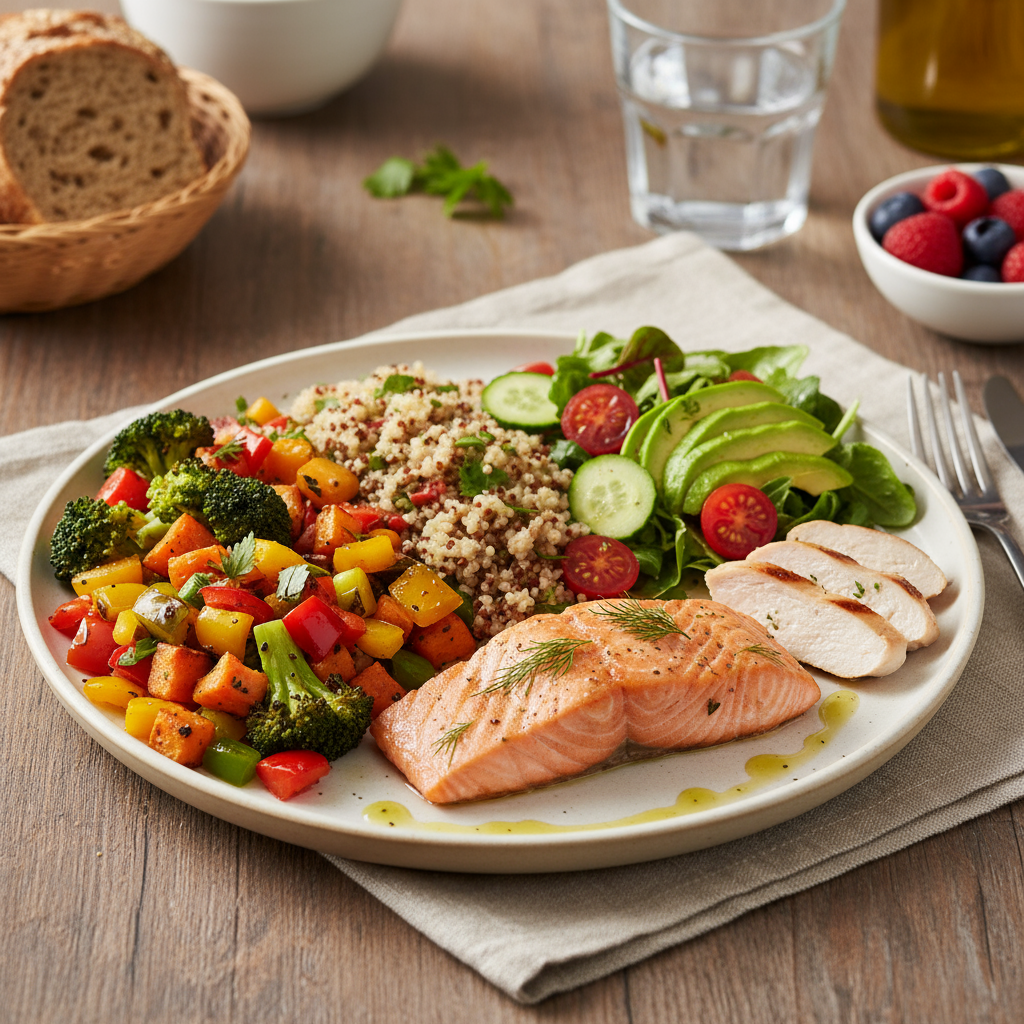
A flexitarian diet, rich in fruits, vegetables, whole grains, and legumes, can reduce the risk of chronic diseases such as type 2 diabetes, high blood pressure, and certain cancers. Moderate consumption of high-quality meat also provides essential nutrients like iron, zinc, and vitamin B12, which are more difficult to obtain in purely plant-based diets. The key is to find a balance that optimally nourishes the body while promoting well-being.
Environmental impacts
Industrial meat production is a significant contributor to greenhouse gas emissions, land use, and water consumption. By reducing their meat consumption and making more conscious choices, flexitarians actively contribute to reducing their ecological footprint. Choosing meat from sustainable and regional production, as is the case with Buffalo Jerky, further enhances this positive effect. This not only supports local farmers but also minimizes transport distances, promotes more humane animal husbandry, and contributes to environmental protection.
Challenges: The downside of the trend
Despite all the advantages, there are also aspects to consider when it comes to flexitarianism:
The "greenwashing" trap
Sometimes the term "flexitarianism" can serve as a convenient excuse not to actually reduce meat consumption, but merely to soothe one's conscience. It is important that flexitarianism be a genuine commitment to reducing meat consumption and not just a license for unreflective indulgence.
It's a matter of definition
There's no fixed rule about how much meat a flexitarian can eat. This can lead to confusion. Some flexitarians who hardly eat any meat at all even call themselves vegetarians. This shows how important it is for everyone to define for themselves what flexitarianism means.
Impact on the economy
Flexitarianism is also changing the food industry. Restaurants and manufacturers are adapting and offering more and more plant-based alternatives. This presents an opportunity for the industry to move towards more sustainable and higher-quality products.
As you can see, flexitarianism is an exciting path. And that's exactly where Buffalo Jerky comes in! We offer you a perfect solution for conscious and responsible meat enjoyment that fits ideally into your flexitarian diet.
Buffalo jerky in everyday flexitarian life
Buffalo jerky is the ideal addition to a flexitarian lifestyle, combining the benefits of high-quality meat with the principles of sustainability and naturalness. Whether as a quick protein source after exercise, a nutritious companion at the office, or a healthy snack on the go – Buffalo jerky offers a practical and tasty solution.
Versatility in the kitchen
Besides being eaten straight, buffalo jerky can also be creatively integrated into flexitarian cuisine. Finely shredded, it can add a special touch and an extra protein component to salads, soups, or stir-fries. This opens up new possibilities for making your menu varied and exciting without having to forgo the enjoyment of meat.
Conclusion
Flexitarianism is more than just a diet – it's a lifestyle that emphasizes balance, mindfulness, and enjoyment. High-quality meat fits perfectly into this approach, offering a sustainable, healthy, and delicious option for those who want to reduce their meat consumption but don't want to give it up entirely.
Taste the difference and experience how Buffalo Jerky enriches your flexitarian lifestyle!
0 comments